

 Back to Blogs
What are Bow Windows vs. Bay Windows?
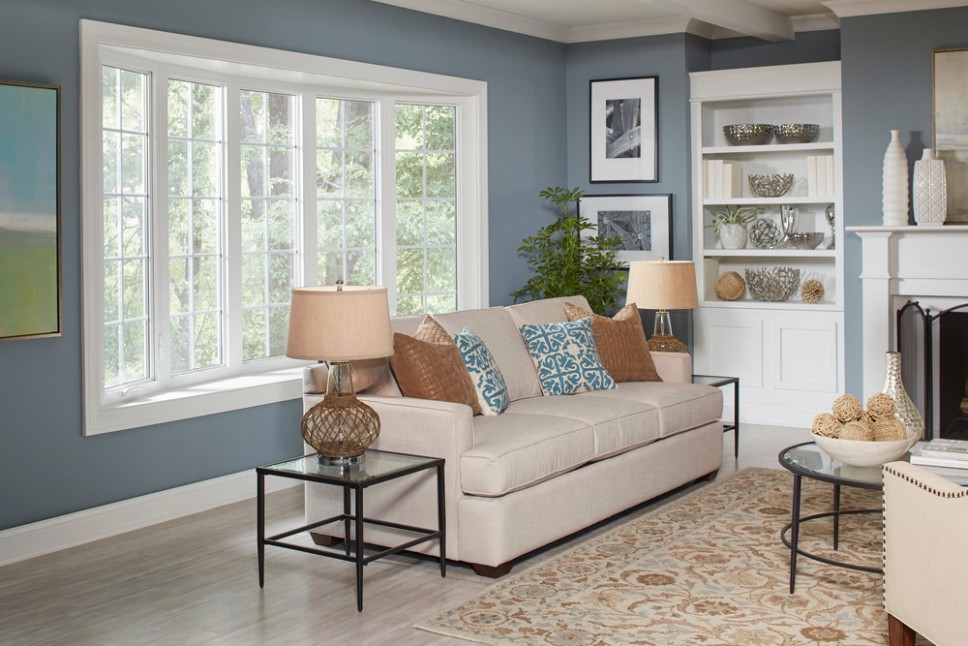
What is a Bow Window?
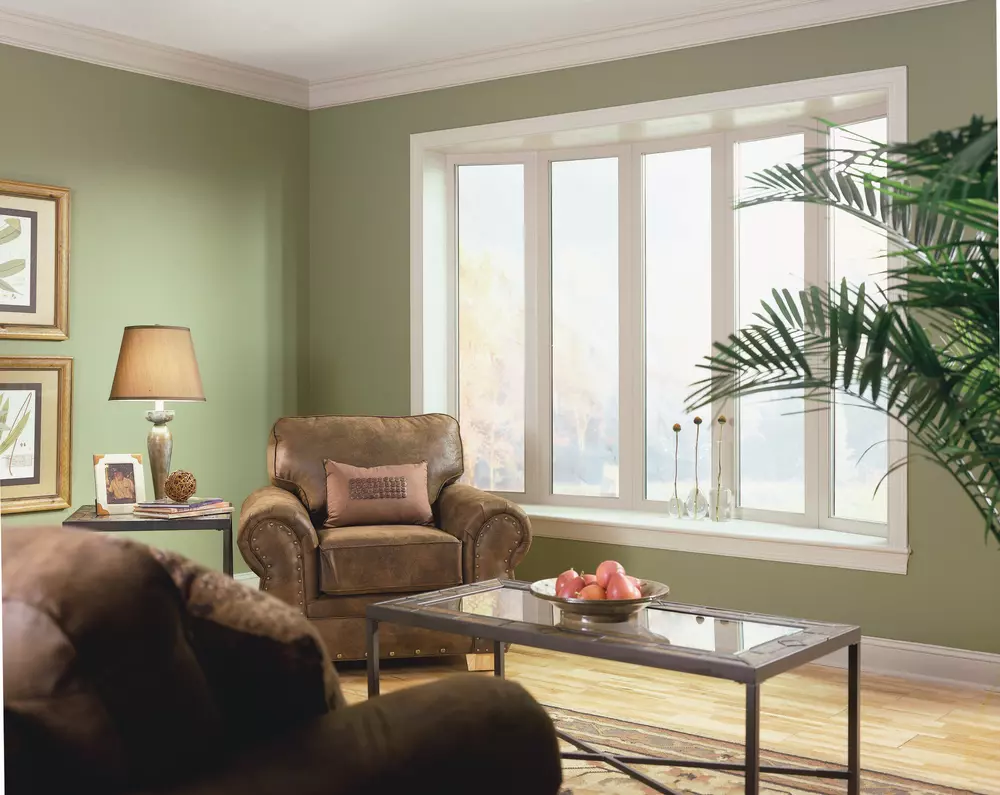
Bow windows are a wonderful investment to improve the look and design of any home. Whether you’re building a new home, or making upgrades to or remodeling an existing one, the unique bow window adds style, flair and functionality.
Bow windows project, or bow out, from the exterior of a home in a curved shape. They consist of multiple sections (typically four or five) of same-sized “lites,” that join together to create a delicate, pretty and graceful bowed or arched shape that protrudes from the flat exterior of the home.
What is a Bay Window?
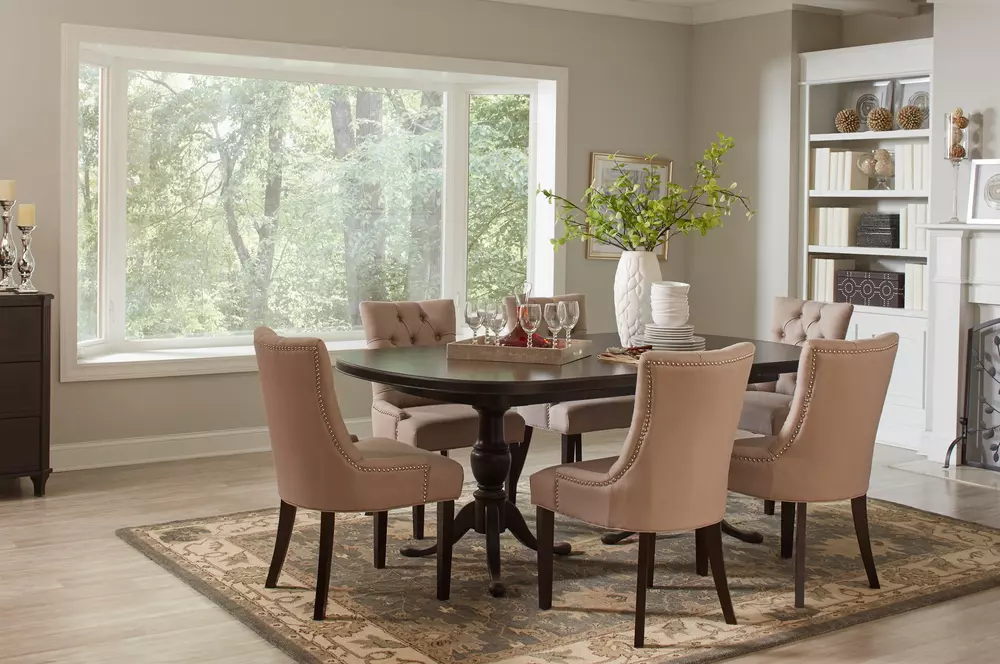
Bay windows are similar to bow windows, but they have three sections and sharper angles that offer more additional interior space than the bow windows do. The middle window of a bay is a picture window, and two, most often smaller, windows flank either side. Various angles are available and generally a small roof section is also built across the top of the bay.
What is an Angled Bay Window?
An angled bay window is just another name for a traditional bay window. They’re typically installed in various rooms of a home to offer more light and physical space. They also provide a focal point from both the interior as well as the exterior of homes. A window seat is a common feature on the inside of an angled bay window.
Bow Windows vs. Bay Windows
There is more than one difference between bay and bow windows. The number of panels and the angles each creates are most notable. Bow windows can really be anywhere from three to six sections across, but as noted, they’re most commonly designed with four to five panels. They have a smaller angle than a bay window, and the panels curve to create a lovely rounded appearance on the exterior of the home. While they most often have a smaller protrusion than bay windows, there’s usually still enough space to create an interior seat.
Bay windows consist of three openings, and the center window section is typically the largest. The three sections are mulled together to create one assembled window unit.
Both bow and bay windows become major focal points in a home. They allow more filtered light to enter a space to create a bright, sophisticated, more roomy look and feel to any room in a home.
Ideal Placement for Bow Windows
Bows are often installed in dining rooms and living rooms, but they are actually ideal for any room in your home where you’d like either expansive outside views or just more light in general. Since bow windows can be up to six lites wide, they are often used in areas of a home with a large spanning wall space that can accommodate a wider window style without feeling cramped or cluttered.
Ideal Placement for Bay Windows
Like bow windows, bay windows are great in living rooms and dining rooms, but they can really be a great addition to any number of places throughout the home. They can be installed for additional seating or to brighten an area, and they’re tremendously helpful if you have a lot of houseplants that would appreciate and thrive off the sunlight a Bay can provide.
What are “Projection Windows
Both bow and bay windows are what’s known as “projection windows.” As the name would imply, these windows ‘project’ or protrude, off the exterior of the home. Not only do they magnify the light that comes into the home, but from an aesthetic standpoint, they are gorgeous additions to the exterior of any house. They are as pleasing to any who drive or walk past the home as they are to those who live in it.
Bow Window Prices
While there are many similarities to the look, design and purpose of bay and bow windows, there is one major difference: cost.
While either option will cost more than a traditional flat window, bow windows actually cost the most. Bow window prices are estimated to be about 2 ½ times the cost of a similarly-sized flat window, and they’re about 10 - 15% more than a bay window of similar size and with the same basic efficiency features.
This makes sense when you consider that a bow window will typically have more lites than either a flat window or a bay window does. The result is a more labor intensive effort to construct and install, and there’s of course the obvious reason of just needing more materials overall.
Bay & Bow Window Options
A furniture-grade veneer is standard in the construction of the head, seating area and jambs of both types of windows. They are installed with an adjustable turn-buckle cable hanging system that eliminates the potential for any future bowing or sagging, while ensuring there is no need for any sort of external braces. We offer an optional 3” pre-insulating seatboard for superior comfort and increased energy-efficiency.
Double-barrier weatherstripping offers ultimate protection against moisture and weather, and 100% virgin vinyl (uPVC) won’t crack, chip, peel or warp.
Ask us about upgrades and optional features that Window World offers, including sizing and color options!
Summary
Deciding on what type of window you want is easy once you know the difference between bay and bow windows. From style, to placement, spacing, to cost, feeling confident in your knowledge about these two window styles will ensure you love the window you ultimately choose for your home.
Window World has been installing gorgeous bay and bow windows for customers across the country for nearly 25 years. Whether you want the impressive curved look of a bow window, or the sharp and clean look of a Bay, we’ve got you covered. Dress up your house and create a stunning, beautiful bow or bay window that will provide comfort, light and views for years to come.
Want to know more about the bow and bay window options Window World has to offer? Call us today at 702-897-8209 to learn more about whether a bow or bay window is right for your space. Window World, Simply the Best for Less®. Our professionals are here for you now with a free consultation virtually or in your home.